Categories

Egg quality

Layers · The Chickipedia
Contents

What is a healthy hen?

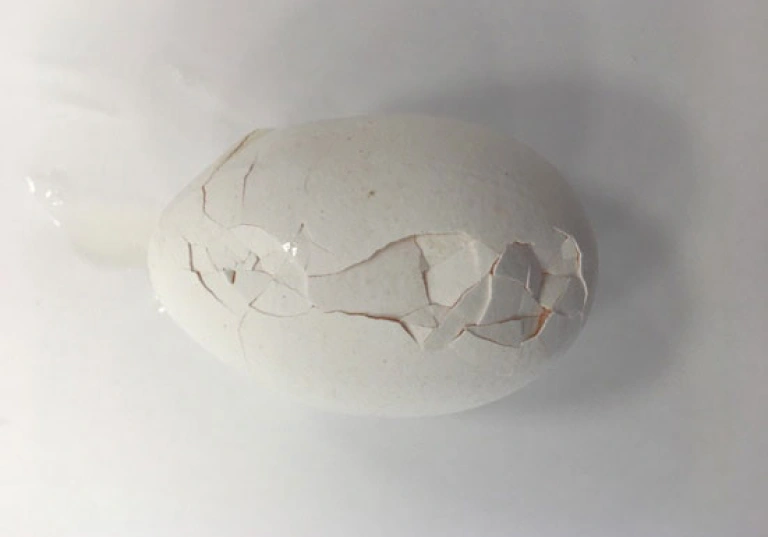
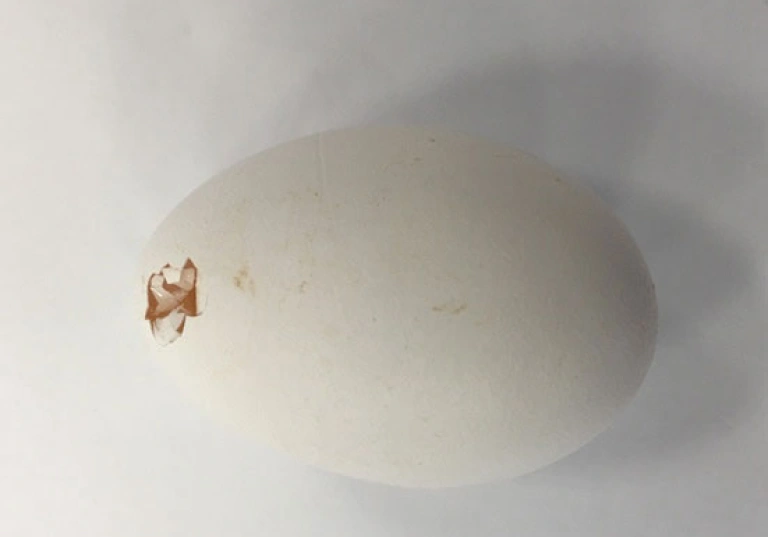
Cracked/broken eggs:

Problem

  • Large cracks and holes
  • % in production: increases with the age of the hen.
  • 1–5 % of total production

Causes

  • Old birds (> 50–60 weeks)
  • Mineral deficiencies or imbalance
  • Saline water
  • Diseases with ovary tropism
  • High temperatures
  • Mechanical damage during collection

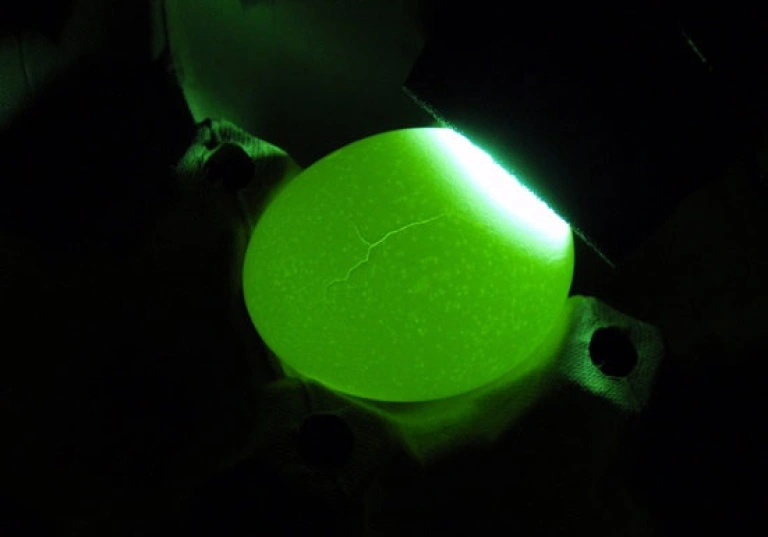
Hairline cracks:

Problem

  • Very fine cracks that require efficient candling
  • % in production: varies with the age and the % of cracked of broken eggs

Causes

  • Old birds (> 50–60 weeks)
  • Mineral deficiencies or imbalance
  • Saline water
  • Diseases with ovary tropism
  • High temperatures
  • Mechanical damage during collection
  • Infrequent egg collection

Star cracks:

Problem

  • Fine cracks radiating outwards from a central point of impact
  • % in production: varies with the age, 1–2 % of the total production

Causes

  • Old birds (> 50–60 weeks)
  • Mineral deficiencies or imbalance
  • Saline water
  • Diseases with ovary tropism
  • High temperatures
  • Mechanical damage during collection
  • Infrequent egg collection

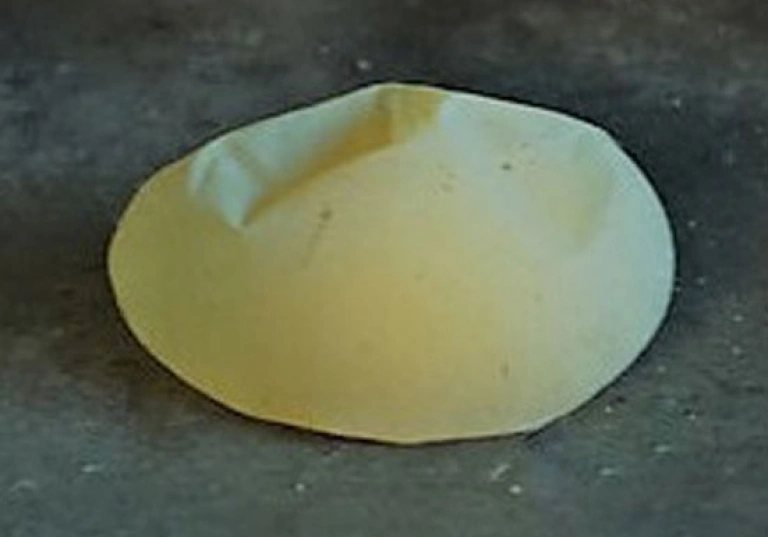
Shell-less eggs and thin shelled:

Problem

  • No shell or very thin shell, very easy to break
  • % in production: varies 0.5–6 %.
  • High levels possible with pullets in early maturity

Causes

  • Immature shell gland
  • Disrupted deposition of calcium in shell
  • Mineral deficiencies or imbalance
  • Saline water
  • Diseases with ovary tropism
  • Mechanical damage during collection
  • Infrequent egg collection

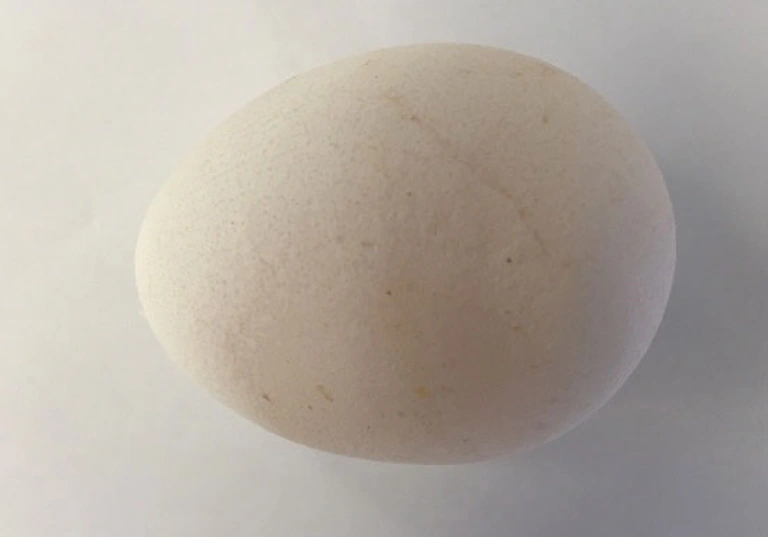
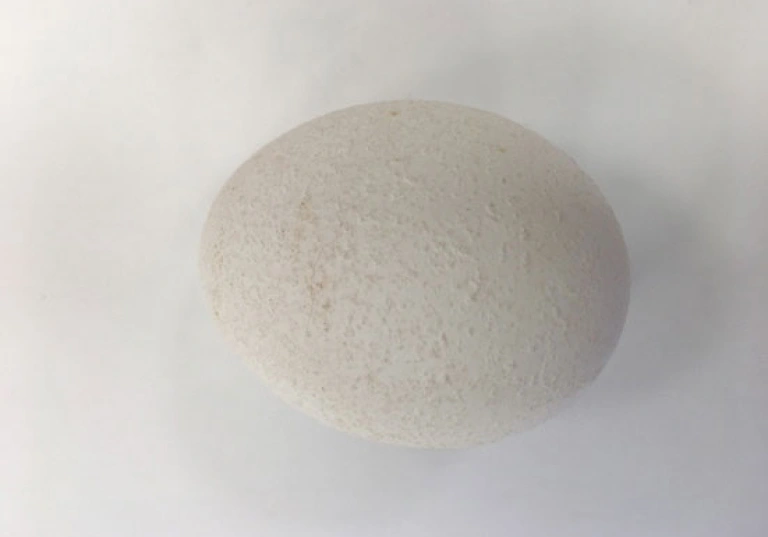
Sandpaper or rough shell:

Problem

  • eggs with rough texture areas unevenly distributed over the shell
  • % in production: the incidence should be < 1 %

Causes

  • Diseases with ovary tropism and avian encephalomyelitis
  • Disrupted egg oviposition or egg retention
  • Sudden increase of light during lay
  • Water shortage

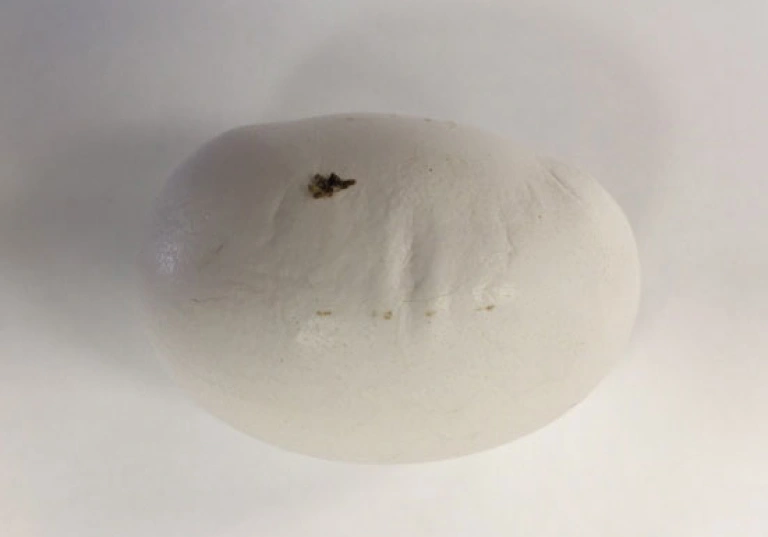
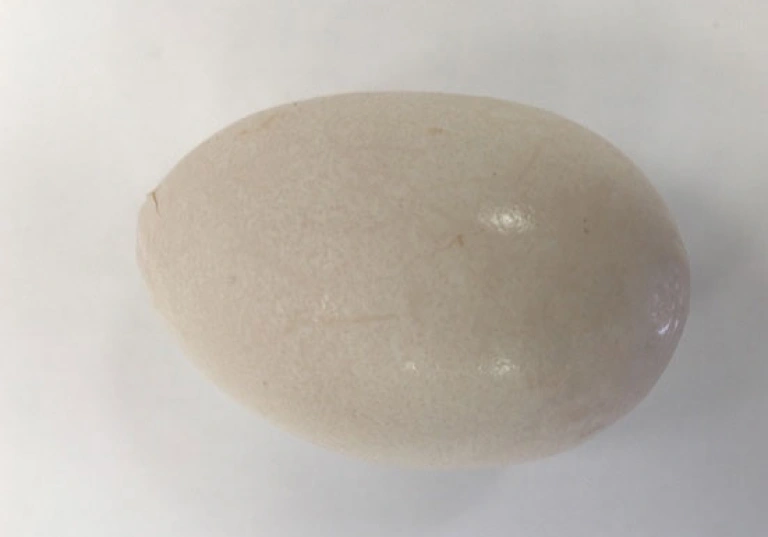
Misshaped eggs:

Problem

  • shell marred by at sides or body checks (ribs or grooves)
  • % in production: can rise to 2 % at start of layand later almost disappear unless there is an issue

Causes

  • Immature shell gland
  • Diseases with ovary tropism
  • Stress caused by frights and disruption
  • Crowding

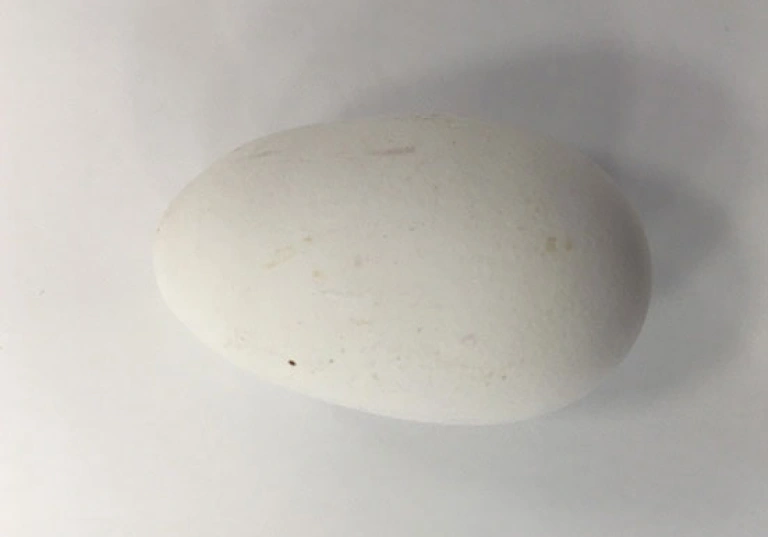
Flat sided eggs:

Problem

  • eggs with rough texture areas unevenly distributed over the shell
  • % in production: the incidence should be < 1 %

Causes

  • Diseases with ovary tropism and avian encephalomyelitis
  • Disrupted egg deposition
  • Sudden increase of light during lay
  • Crowding

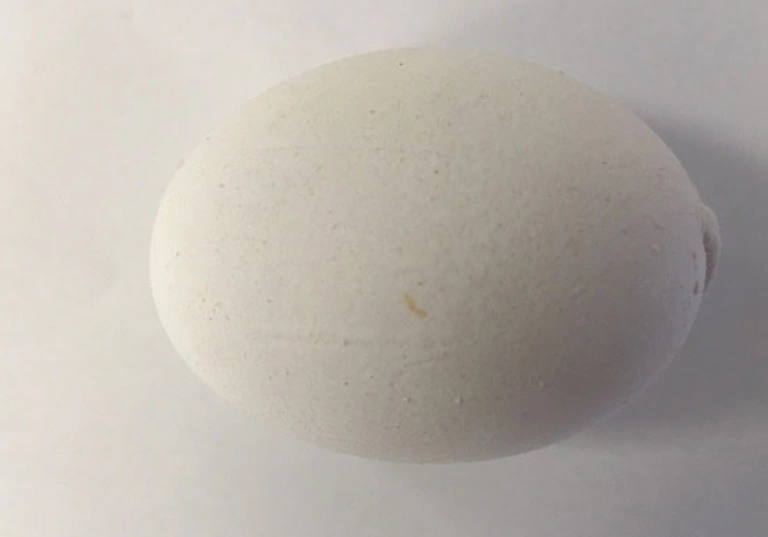
Pimples:

Problem

  • small lumps of calci#ed material on the eggshell
  • % in production: around 1 % is common

Causes

  • Old birds
  • Excess of Ca
  • Sudden increase of light during lay
  • Crowding

Pinholes:

Problem

  • small holes in the eggshell
  • % in production: < 0.5%

Causes

  • Old birds
  • Mineral deficiencies or imbalance
  • Damage caused by hen or sharp objects in cages or collection conveyor

Mottled or glassy shell:

Problem

  • appears mottled at candling
  • % in production: not usually undegraded unless the condition is obvious. Incidence varies

Causes

  • High humidity at the farm
  • Mineral deficiencies
  • Crowding
  • Diseases with ovary tropism and infection bursal disease in parent stocks

Albumen quality

Yolk quality

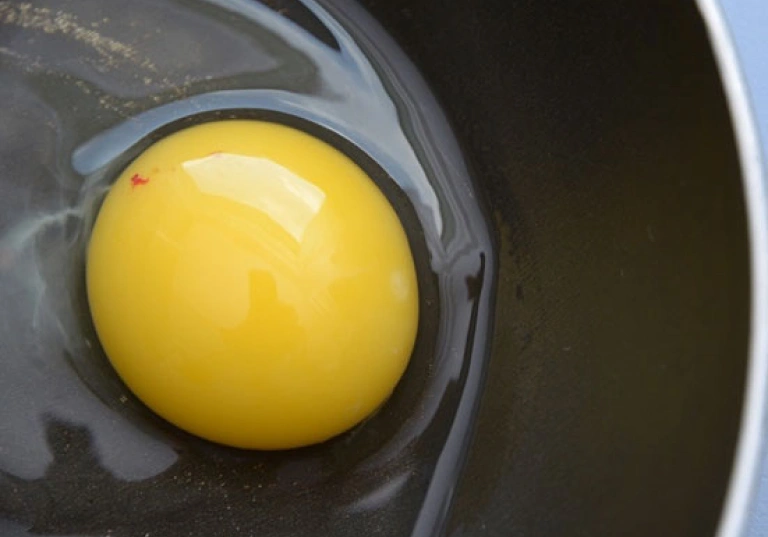
Blood spots:

Problem

  • blood spots on the surface of the yolk
  • % in production: incidence varies, 1–2 %

Causes

  • Deficiencies in vitamin A and K
  • Fungal toxins
  • Continuous light programs or intermittent light periods
  • Fright and disruption
  • Avian encephalomyelitis

Meat spots:

Problem

  • brown colored, pieces of tissue of the ovary or partially broken-down blood spots
  • % in production: 1–3 %

Causes

  • deficiencies in vitamin A and K
  • Fungal toxins
  • Continuous light programs or intermittent light periods
  • Fright and disruption
  • Avian encephalomyelitis

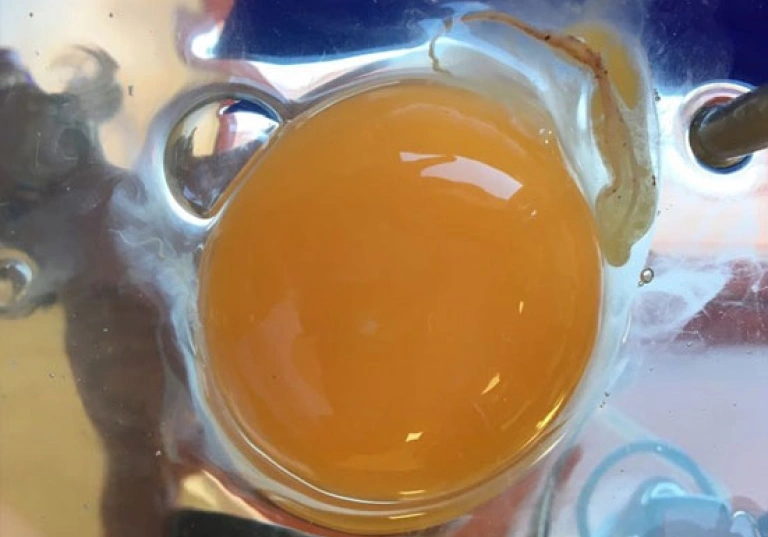
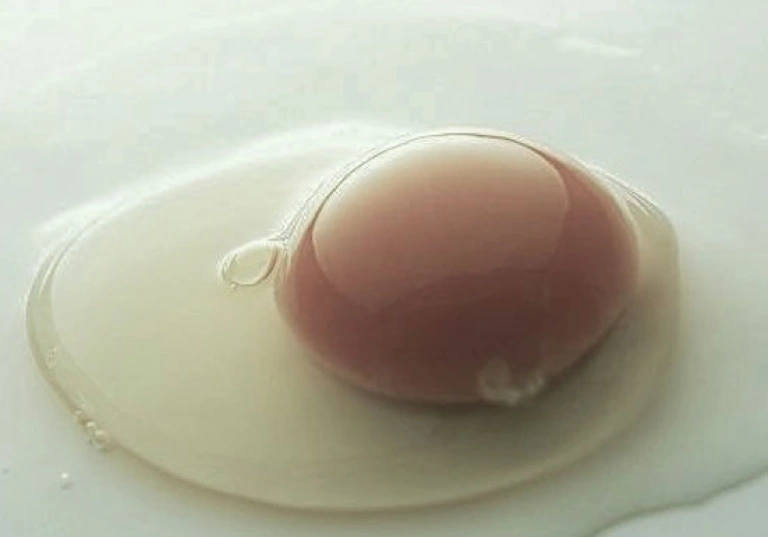
Pale yolks:

Problem

  • the egg yolk doesn’t have the expected color
  • % in production: incidence varies based on the issue

Causes

  • Gut health issues
  • Mycotoxines
  • Liver damage
  • Oxidation of the added pigments
  • Wrong mixing of the pigments
Layers
Parent Stock
Are you a new customer?
Do you want to buy Parent Stock?
This site is registered on wpml.org as a development site. Switch to a production site key to remove this banner.