Categorías

Egg quality

Ponedoras · Chickipedia
Contenidos

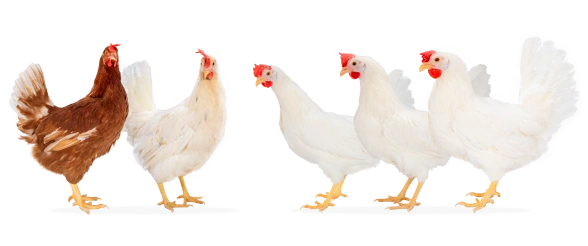
What is a healthy hen?

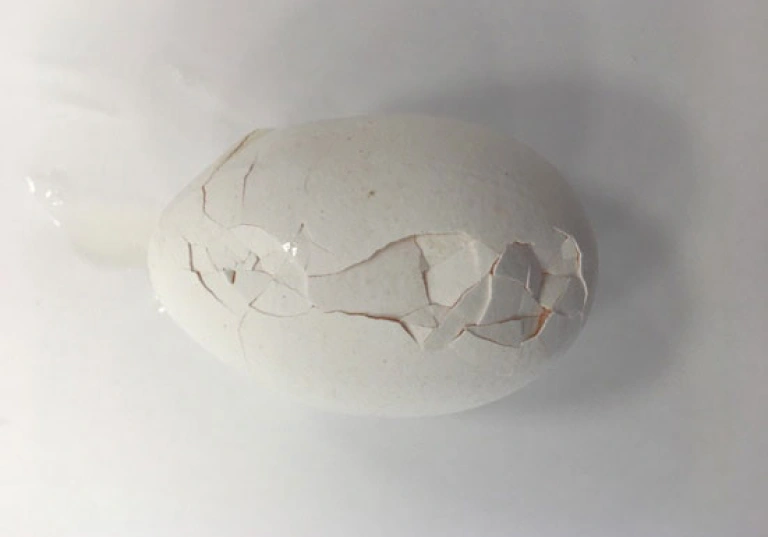
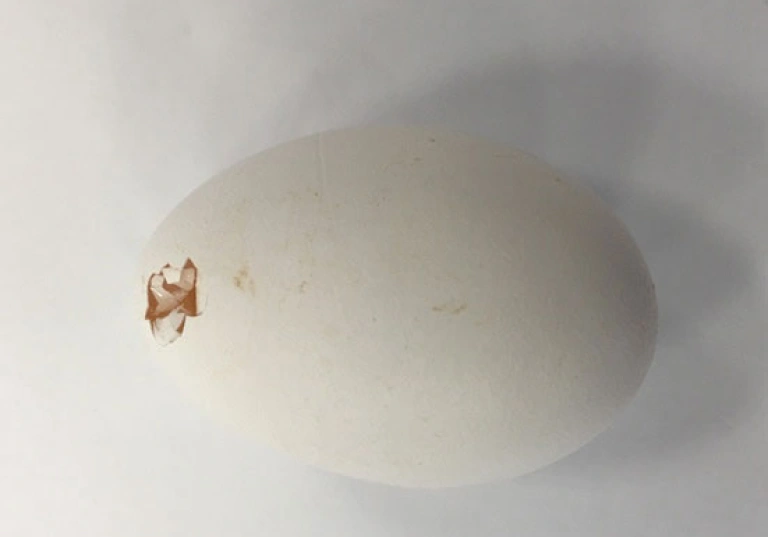
Cracked/broken eggs:

Problem

  • Large cracks and holes
  • % in production: increases with the age of the hen.
  • 1–5 % of total production

Causes

  • Old birds (> 50–60 weeks)
  • Mineral deficiencies or imbalance
  • Saline water
  • Diseases with ovary tropism
  • High temperatures
  • Mechanical damage during collection

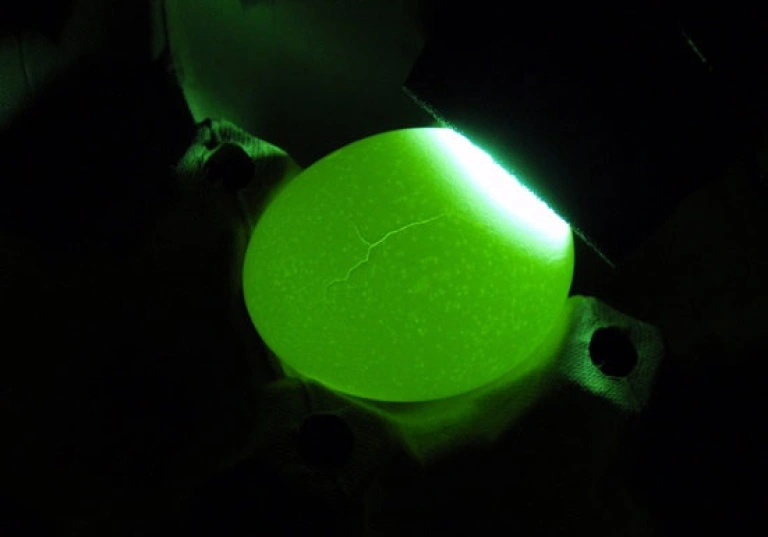
Hairline cracks:

Problem

  • Very fine cracks that require efficient candling
  • % in production: varies with the age and the % of cracked of broken eggs

Causes

  • Old birds (> 50–60 weeks)
  • Mineral deficiencies or imbalance
  • Saline water
  • Diseases with ovary tropism
  • High temperatures
  • Mechanical damage during collection
  • Infrequent egg collection

Star cracks:

Problem

  • Fine cracks radiating outwards from a central point of impact
  • % in production: varies with the age, 1–2 % of the total production

Causes

  • Old birds (> 50–60 weeks)
  • Mineral deficiencies or imbalance
  • Saline water
  • Diseases with ovary tropism
  • High temperatures
  • Mechanical damage during collection
  • Infrequent egg collection

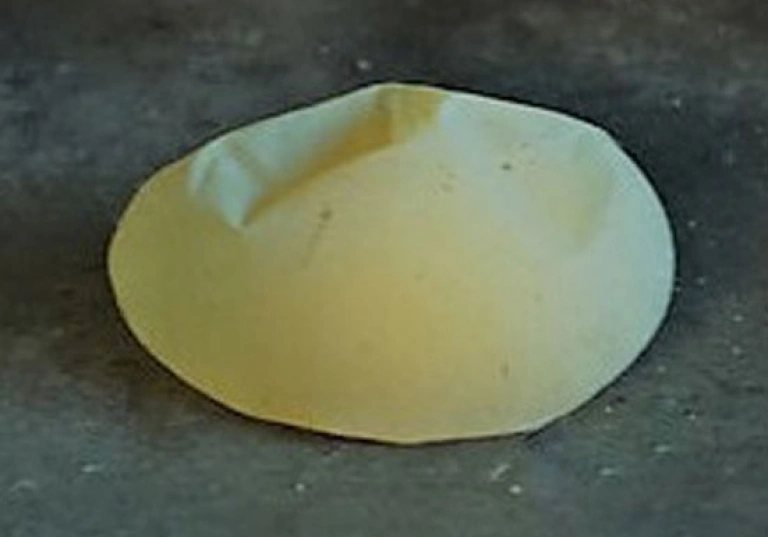
Shell-less eggs and thin shelled:

Problem

  • No shell or very thin shell, very easy to break
  • % in production: varies 0.5–6 %.
  • High levels possible with pullets in early maturity

Causes

  • Immature shell gland
  • Disrupted deposition of calcium in shell
  • Mineral deficiencies or imbalance
  • Saline water
  • Diseases with ovary tropism
  • Mechanical damage during collection
  • Infrequent egg collection

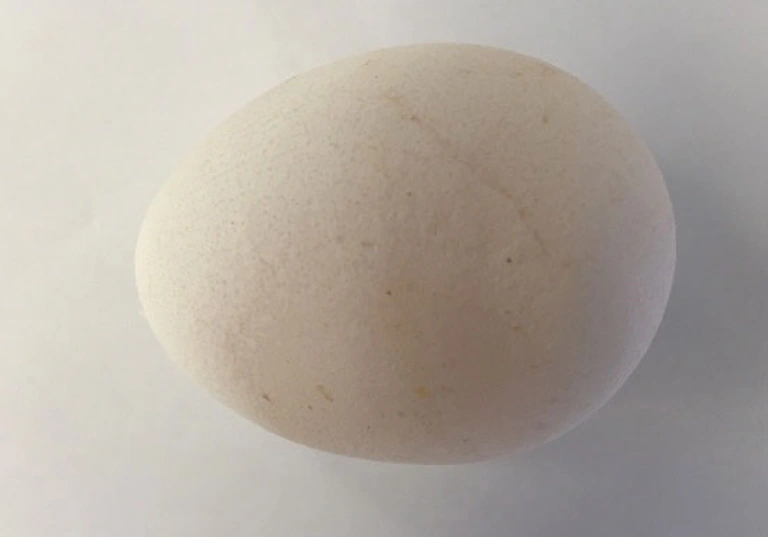
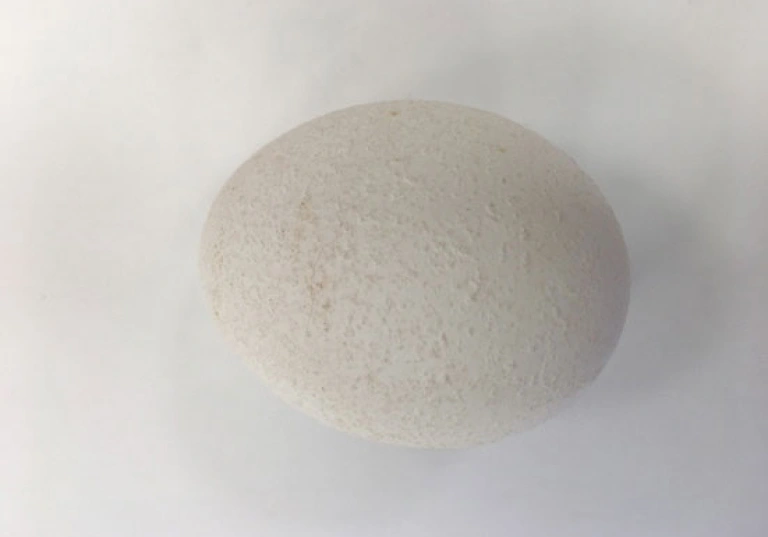
Sandpaper or rough shell:

Problem

  • eggs with rough texture areas unevenly distributed over the shell
  • % in production: the incidence should be < 1 %

Causes

  • Diseases with ovary tropism and avian encephalomyelitis
  • Disrupted egg oviposition or egg retention
  • Sudden increase of light during lay
  • Water shortage

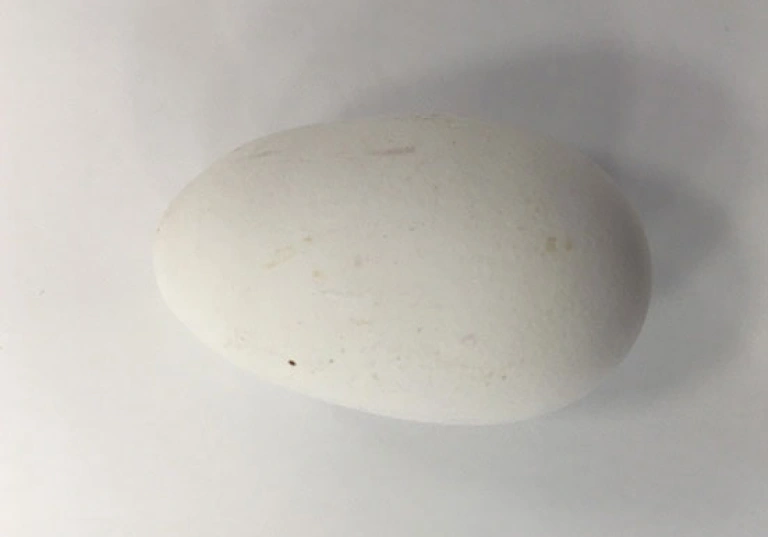
Misshaped eggs:

Problem

  • shell marred by at sides or body checks (ribs or grooves)
  • % in production: can rise to 2 % at start of layand later almost disappear unless there is an issue

Causes

  • Immature shell gland
  • Diseases with ovary tropism
  • Stress caused by frights and disruption
  • Crowding

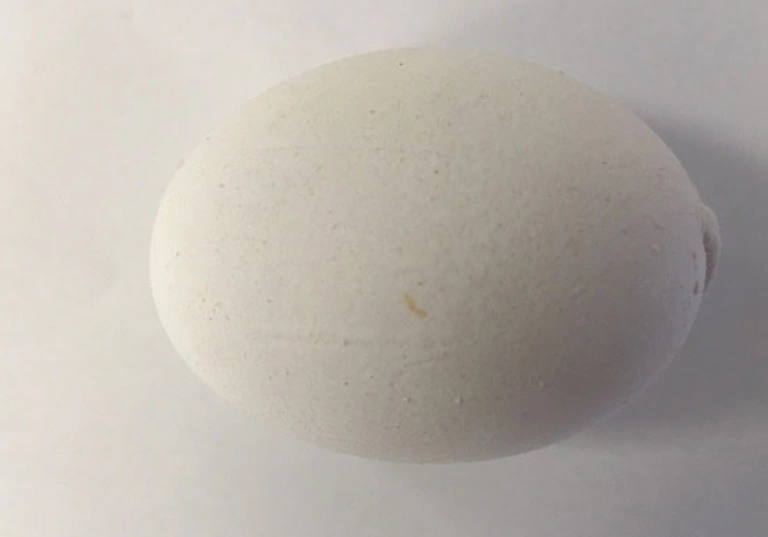
Flat sided eggs:

Problem

  • eggs with rough texture areas unevenly distributed over the shell
  • % in production: the incidence should be < 1 %

Causes

  • Diseases with ovary tropism and avian encephalomyelitis
  • Disrupted egg deposition
  • Sudden increase of light during lay
  • Crowding

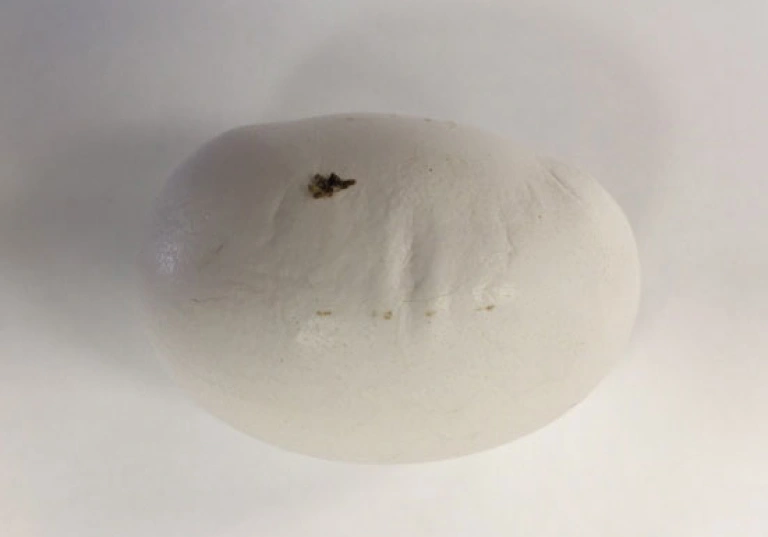
Pimples:

Problem

  • small lumps of calci#ed material on the eggshell
  • % in production: around 1 % is common

Causes

  • Old birds
  • Excess of Ca
  • Sudden increase of light during lay
  • Crowding

Pinholes:

Problem

  • small holes in the eggshell
  • % in production: < 0.5%

Causes

  • Old birds
  • Mineral deficiencies or imbalance
  • Damage caused by hen or sharp objects in cages or collection conveyor

Mottled or glassy shell:

Problem

  • appears mottled at candling
  • % in production: not usually undegraded unless the condition is obvious. Incidence varies

Causes

  • High humidity at the farm
  • Mineral deficiencies
  • Crowding
  • Diseases with ovary tropism and infection bursal disease in parent stocks

Albumen quality

Yolk quality

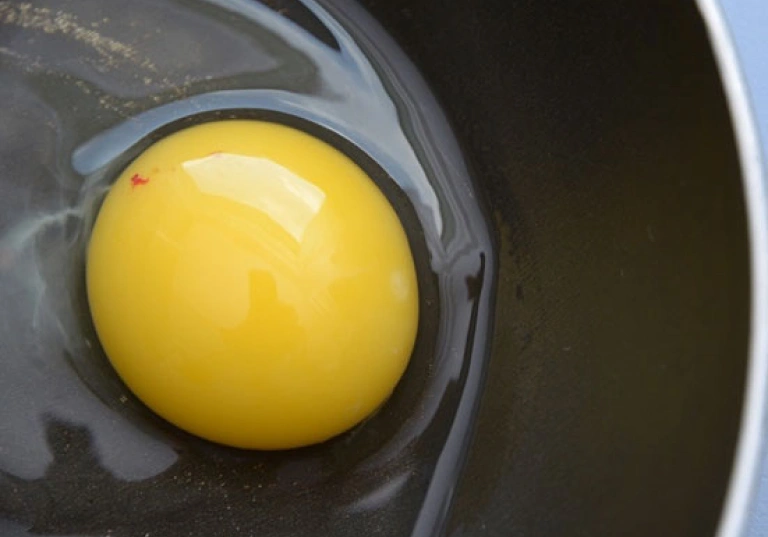
Blood spots:

Problem

  • blood spots on the surface of the yolk
  • % in production: incidence varies, 1–2 %

Causes

  • Deficiencies in vitamin A and K
  • Fungal toxins
  • Continuous light programs or intermittent light periods
  • Fright and disruption
  • Avian encephalomyelitis

Meat spots:

Problem

  • brown colored, pieces of tissue of the ovary or partially broken-down blood spots
  • % in production: 1–3 %

Causes

  • deficiencies in vitamin A and K
  • Fungal toxins
  • Continuous light programs or intermittent light periods
  • Fright and disruption
  • Avian encephalomyelitis

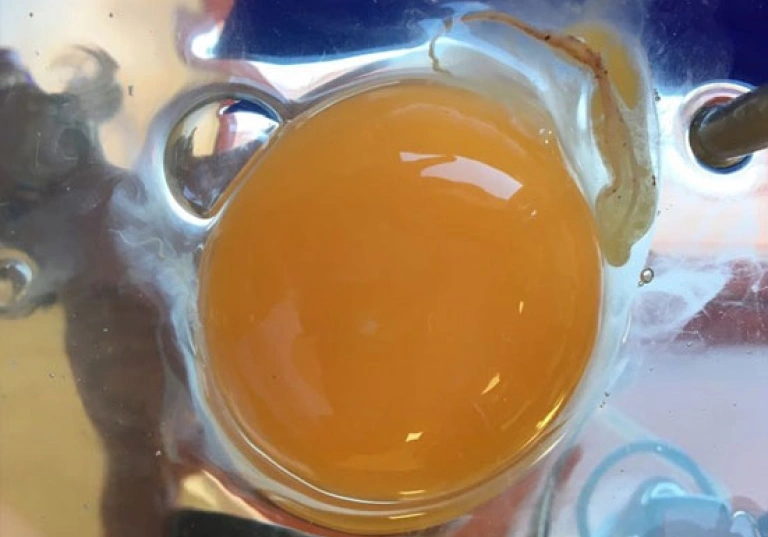
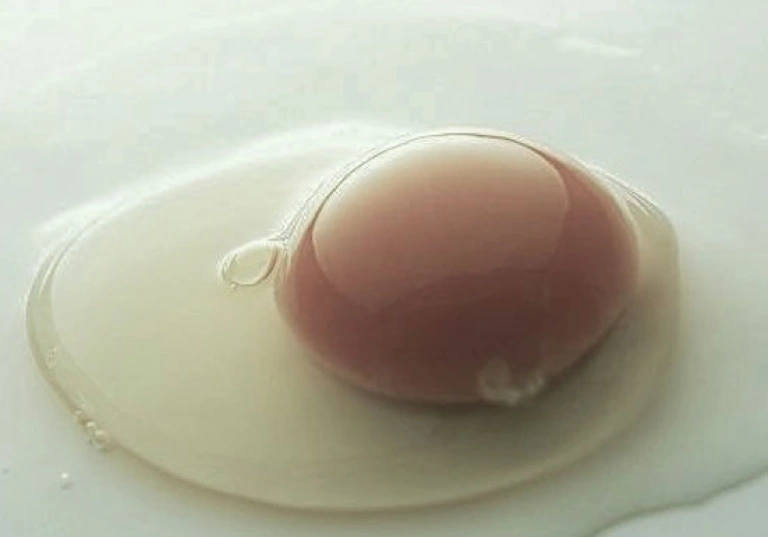
Pale yolks:

Problem

  • the egg yolk doesn’t have the expected color
  • % in production: incidence varies based on the issue

Causes

  • Gut health issues
  • Mycotoxines
  • Liver damage
  • Oxidation of the added pigments
  • Wrong mixing of the pigments
Ponedoras
Reproductoras
¿Es usted un cliente nuevo?
¿Quieres comprar reproductoras?
Ponedoras
Reproductoras
¿Es usted un cliente nuevo?
¿Quieres comprar reproductoras?
Este sitio está registrado en wpml.org como sitio de desarrollo. Cambie a una clave de sitio de producción para remove this banner.