Bienvenue dans The Chickipedia, votre centre de connaissances de confiance pour l’industrie avicole. Que vous gériez du Reproducteur, des Pondeuses ou des couvoirs, The Chickipedia vous offre des informations d’experts rapides et des conseils pratiques à chaque étape de la production de Pondeuses et d’oeufs. De l’arrivée des poussins aux systèmes de logement, en passant par la nutrition, la santé et la gestion des oeufs, nos articles pratiques vous aident à garantir des performances optimales et la biosécurité à chaque étape.
House preparation and arrival of chicks Cleaning and disinfection procedure Do not proceed to the next step until the previous step has been completed. Clean the area outside the house, storage and service areas, water lines and ventilation system. Provide...
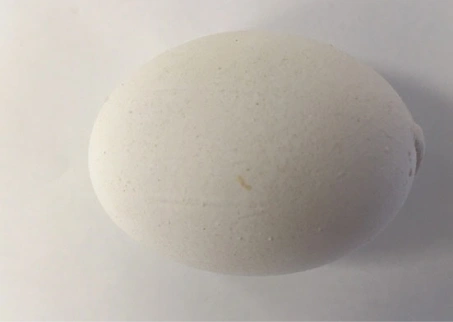
What is a healthy hen? Cracked/broken eggs: Problem Large cracks and holes % in production: increases with the age of the hen. 1–5 % of total production Causes Old birds (> 50–60 weeks) Mineral deficiencies or imbalance Saline water Diseases...
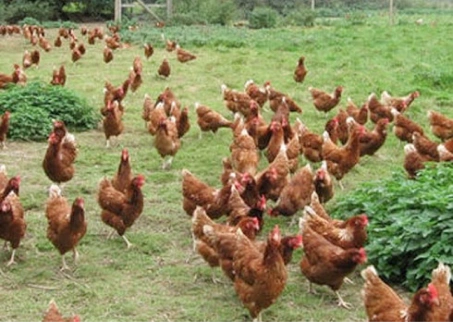
What is a healthy hen? Knowing a hen’s health status is essential to achieve production goals. Sick birds cannot develop to their full genetic potential, so health programs play a central role in the production schedule. Healthy hens are disease-free...
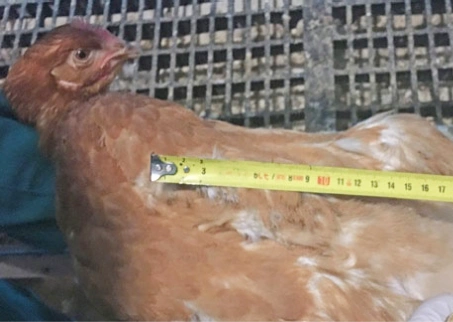
Pullet Phase Body weight and uniformity Uniformity = (all weighed birds – A1 – B2) /(all weighed birds) A1 = No. of birds >= average BW x 1.1 B2 = No. of birds <= average BW x 0.9 Weigh minimum...
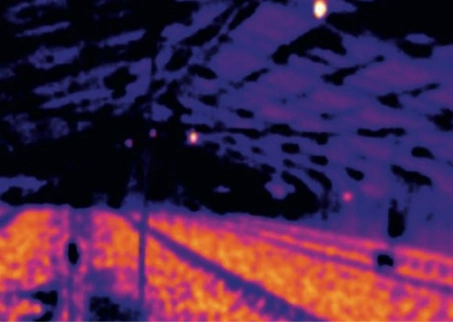
Hen thermo-regulation Convection Heat loss occurs due to the movement of the air which permits the transfer of heat from the hen’s body to the air. This process can be promoted by providing fast air movement around the hen. Conduction...
Flock health at parent stock farm: a critical point for success In the egg industry, numerous diseases are vertically transmitted, this means from breeders to their progeny. That is why without a strict sanitary control at the selection and reproduction...
Hen thermo-regulation Convection Heat loss occurs due to the movement of the air which permits the transfer of heat from the hen’s body to the air. This process can be promoted by providing fast air movement around the hen. Conduction...
Rearing nutrition Feed description and management Starter feed High density diet with highly digestible raw materials. Investment that sets up the basis of skeletal and muscular growth of the pullet. Feed should always be available. Grower feed Medium density diet...
Hatching egg management The fertile egg contains a living embryo which has all the genetic potential of H&N International. In order to enable embryo express this potential during incubation and later in life as pullet and laying hen, good hatching...
Production Stage After reaching a good production peak, H&N breeders should enter a production plateau. Their genetic potential allows them to maintain a high production level, optimal egg size and good eggshell quality for some weeks but to achieve this,...
Trouble Shooting Taking the hatching egg quality as given, an embryo needs five things to grow satisfactorily and to develop into a healthy chick: Correct incubation temperature. Adequate supply of oxygen and removal of CO2. Loss of a certain amount...
General hygiene Good hygiene is paramount to good results. Not everyone has modern, state-of-the-art designer hatcheries but with attention to detail the results can be as good. Starting with personnel, they should be provided with shower facilities and clean clothing...
Chick processing The chicks are now hatched and ready to be processed. But even a good hatch can still be spoiled. Hygiene, careful handling and attention to the chicks are essential to maintain the best quality. Chicks will tell you...
The hatching cycle In the hatcher the eggs will stay for three days. During this time the embryo will develop into a chick. After 19 days of incubation it will penetrate the inner shell membrane and lung respiration will start....
Transparency Transparency is a means of identifying unfertilised and prematurely dead embryos. The egg trays are passed over a powerful light source which clearly shows unfertilised and prematurely dead embryos. Transparency is not systematically carried out in all hatcheries, as...