What is a healthy hen?
Knowing a hen’s health status is essential to achieve production goals. Sick birds cannot develop to their full genetic potential, so health programs play a central role in the production schedule.
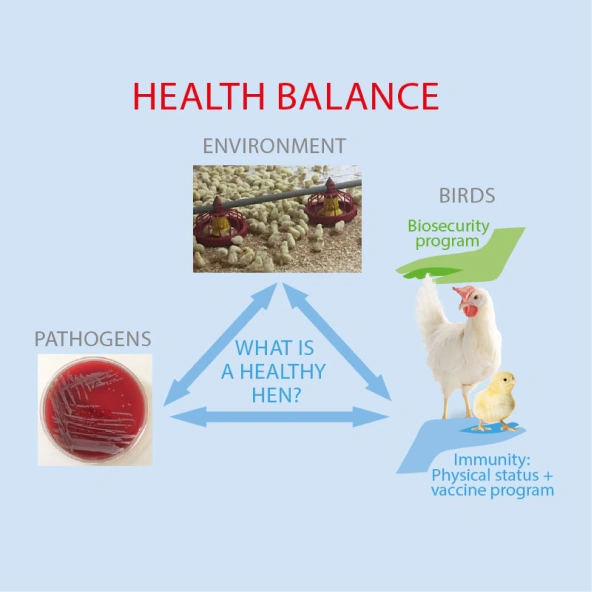
Healthy hens are disease-free or, at least, can support and deal with the diseases that are present in their environment.
Biosecurity is key to keeping the flock free of pathogen agents or, at least, reducing their presence. Flock immunity is the cornerstone that prepares hens to handle the threat of disease. This relates not only to the vaccination program but also to the hen’s physical status.
If hens are immunosuppressed due to underfeeding, stress or other reasons such as mycotoxins or chemicals, it will be difficult to cope with diseases even if the hens have been vaccinated.
Certain avian diseases, such as Salmonella enteritis or Campylobacter, are zoonoses which can spread between birds and humans. So even if a disease does not directly affect poultry, it should be included in the health program.
- No respiratory signs
- No nervous signs
- No fever
- Good physical status
- Good bone calcification
- Good feathering status
- Alert and active birds
- No abnormal behaviour
- Good production
- No abnormal eggs
Biosecurity program
A biosecurity program plays a key role in maintaining hens in good health and, therefore, profitable production. Biosecurity can be defined as all the procedures put in place to prevent pathogens infecting hens and spreading to other poultry farms. To be effective, a biosecurity program should be implemented in a very practical and structured way.
An effective biosecurity program is well-adapted to the production structures and well-understood by all the actors (staff, production managers, external suppliers, veterinarians, general manager etc.) at the farm.
If certain actors do not take biosecurity seriously and fail to follow the procedures, the efforts of the others will not be rewarded. It is essential to apply procedures systematically. Sporadic application of a biosecurity program will not work.
Biosecurity types
Conceptual biosecurity
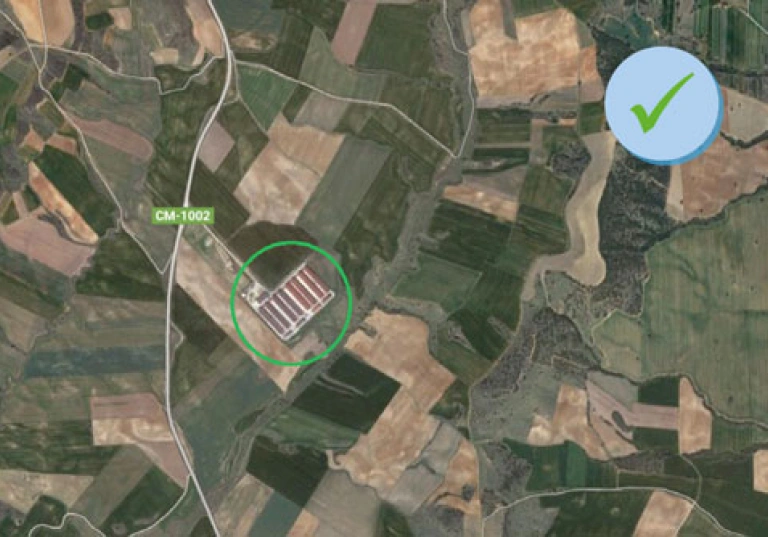
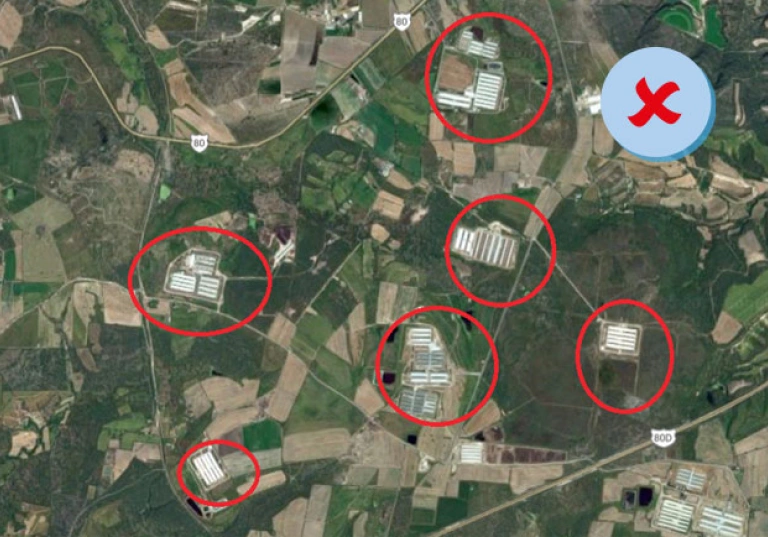
This is the biosecurity related to the farm design and its location of the farm and its surroundings.
Ideally farms should be situated away from:
- other poultry farms (including backyard farms)
- other farms (other species)
- Live bird markets
- Hatcheries
- Slaughterhouses
Structural biosecurity
This is the biosecurity related to the physical structures used at the farm to prevent the introduction or spread of diseases.
Important components include:
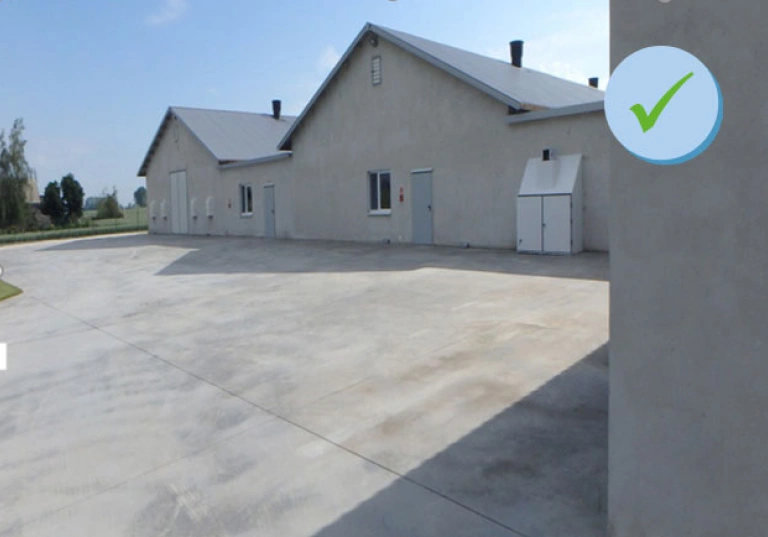
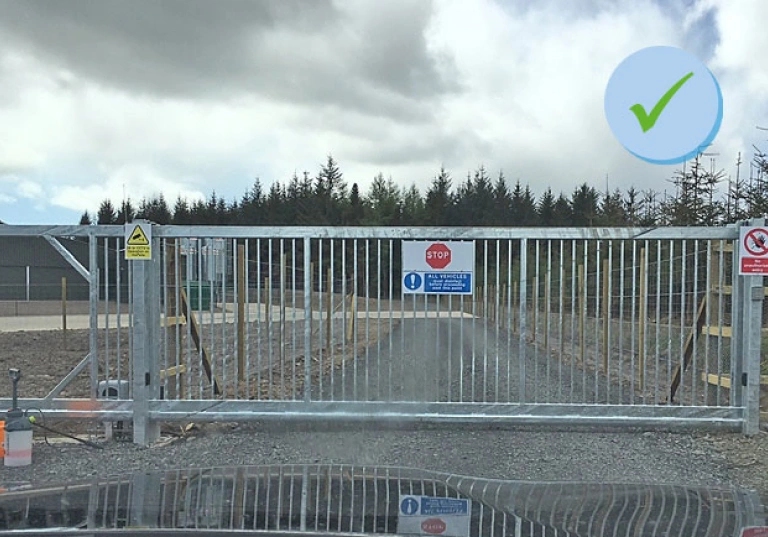
- Perimeter fences
- Surrounding buffer zone
- Bird-proof elements
- Entrance doors
- Disinfectant system in entrance door
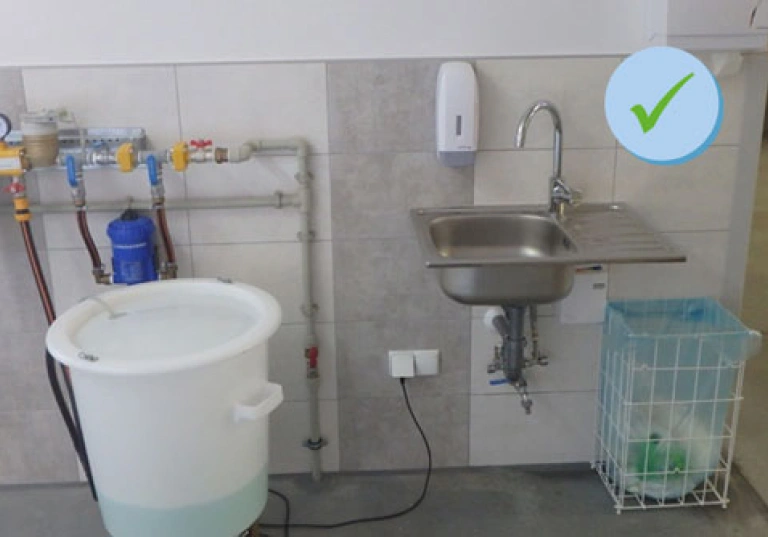
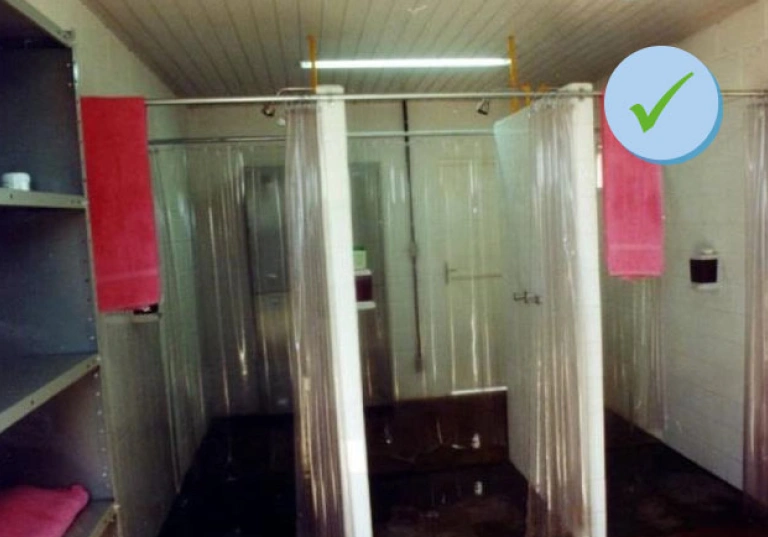
- Shower or black/white room
- Booth baths
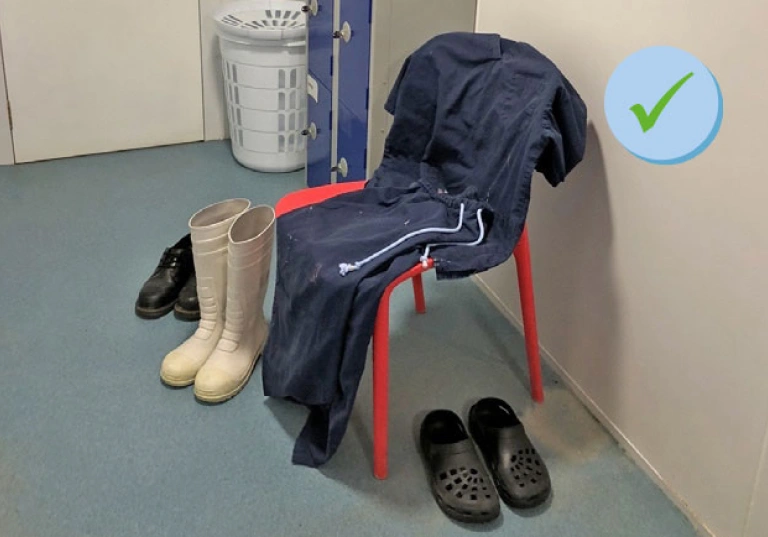
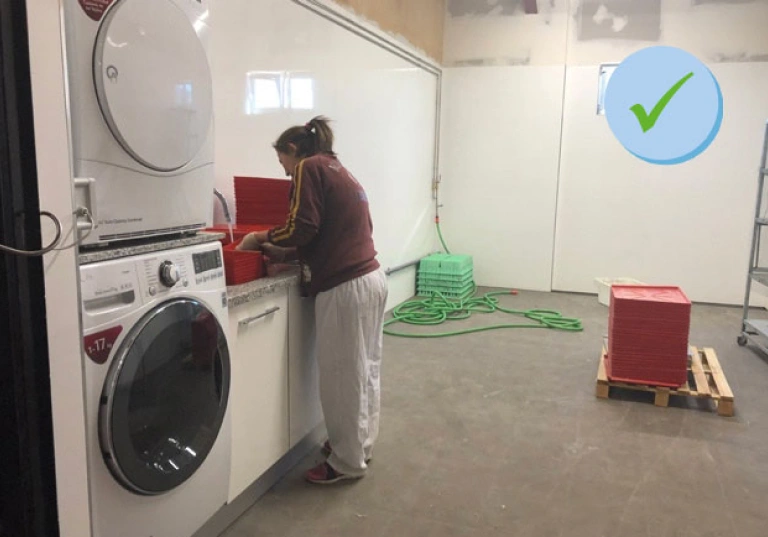
- Work clothing and footwear
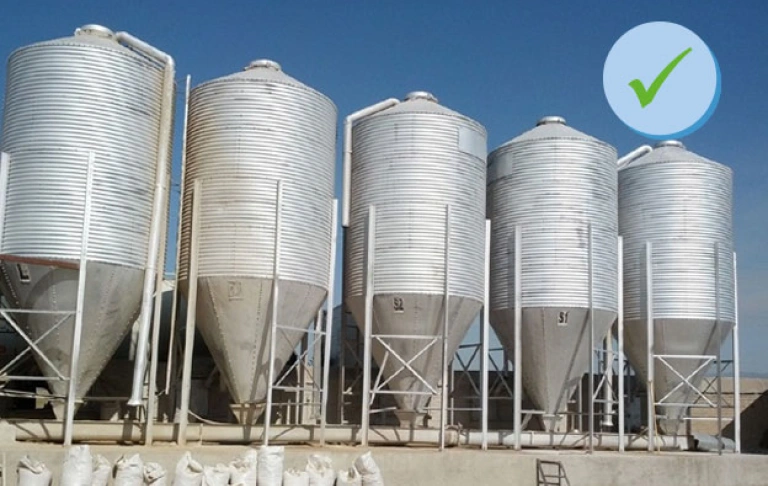
- Feed storehouse or silos
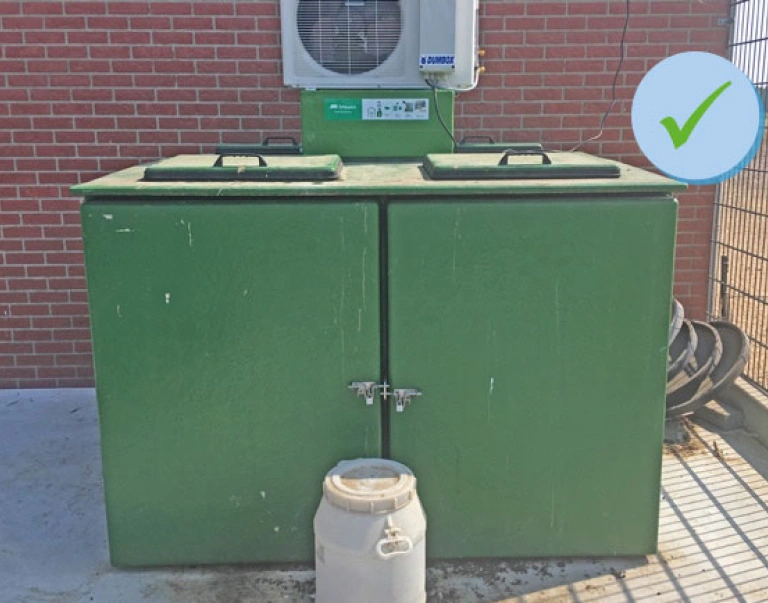
- Dead bird disposal
Operational biosecurity
This is the biosecurity related to how work on the farm should be done to prevent the introduction or spread of diseases.

- People are the key element to success here.
- Good communication, which implies training, is essential to improve operational biosecurity.
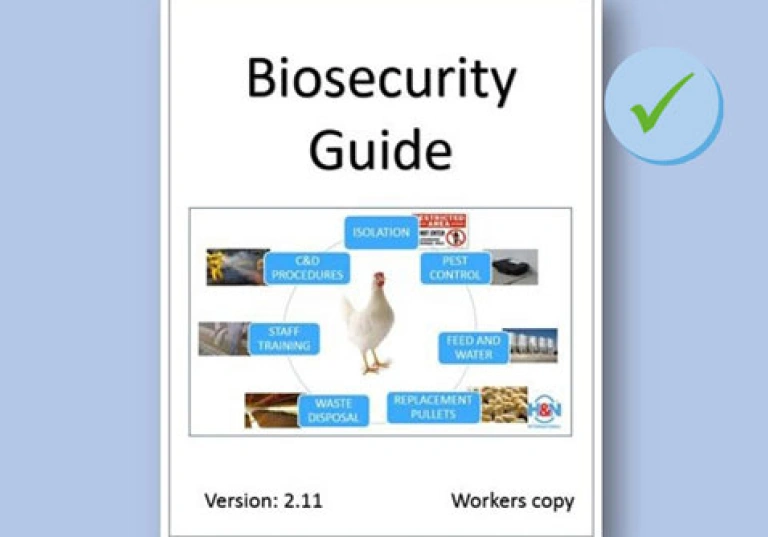
- Clear and written biosecurity protocols should be available for all staff having contact with the farms.
- Normally the simplest rules work better than the complicated ones.
Biosecurity program in seven steps
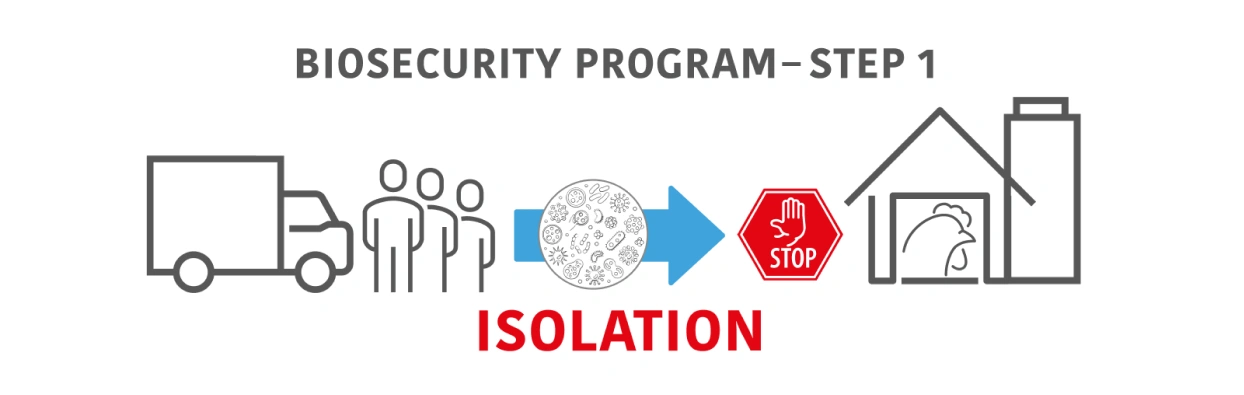
Isolation
Visit restriction
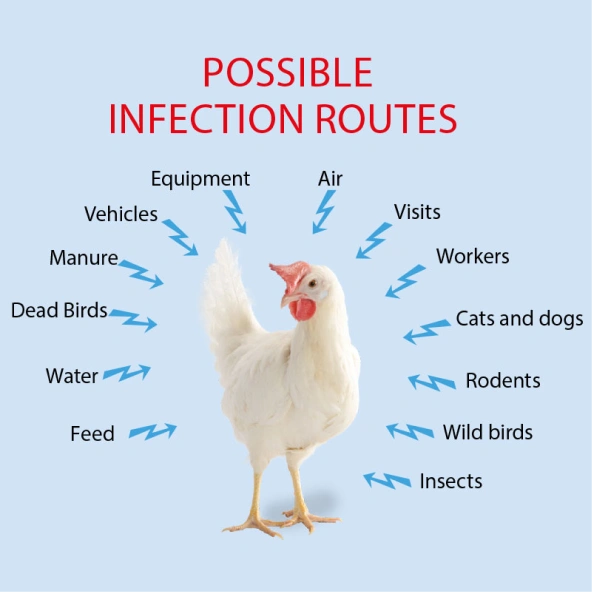
Only essential visits with a clear purpose should be permitted. All visits and visitors should be considered as a risk for the flock.
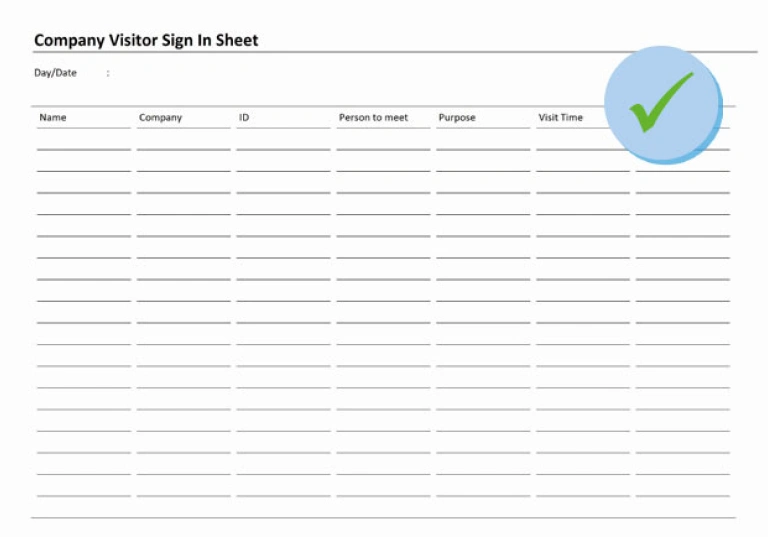
Visitor policy
Material /equipment disinfection
Visitor register
Work clothing
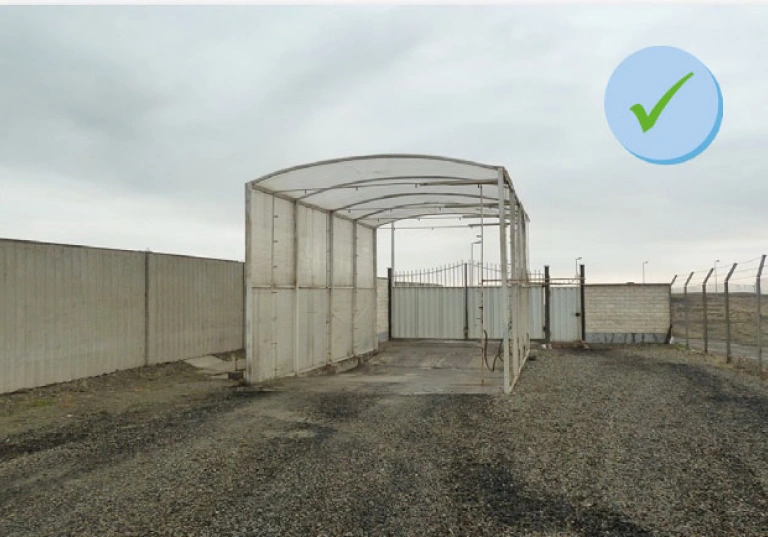
Vehicle disinfection
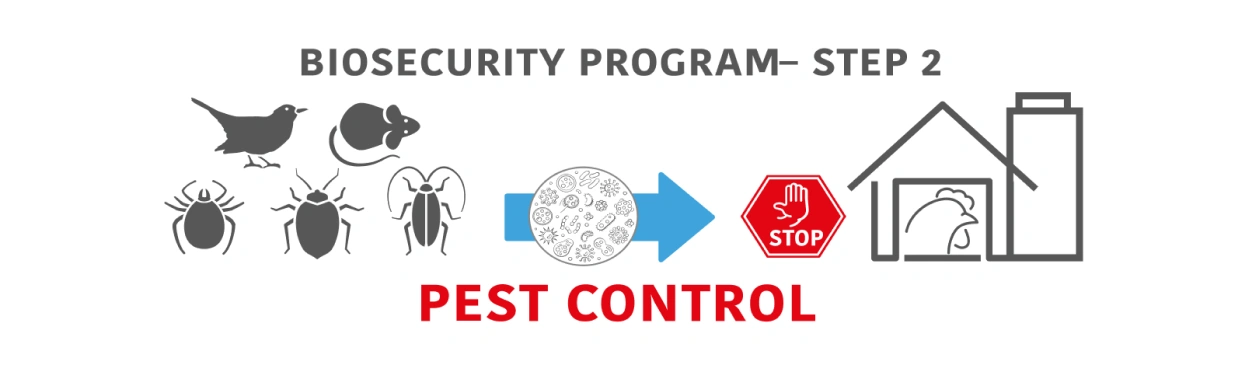
Pest control
Passive measures:
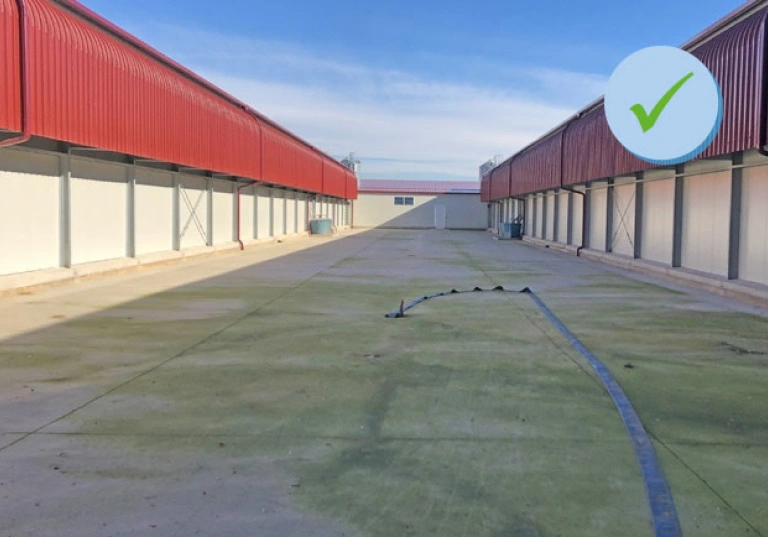
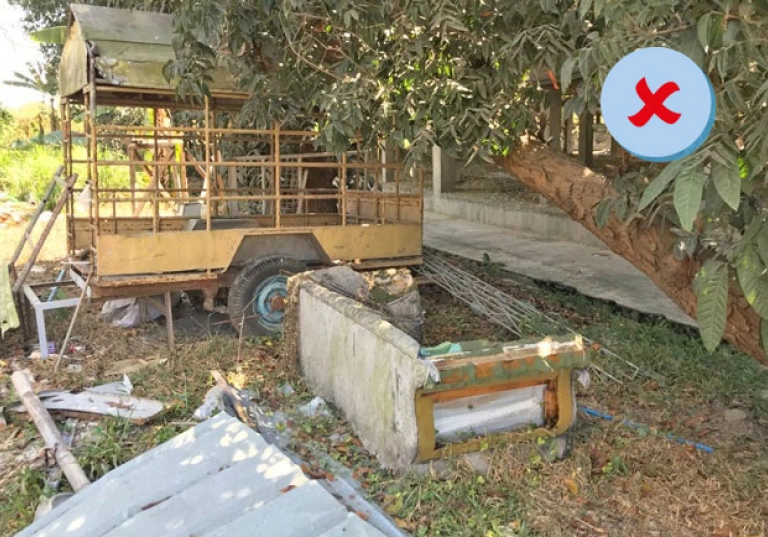
- Keep the perimeter around the house free of grass and other organic material.
- Maintain integrity of walls.
- Keep feed free of rodents.
- Remove any spilled feed.
Rodents
Insects and other
Active measures:
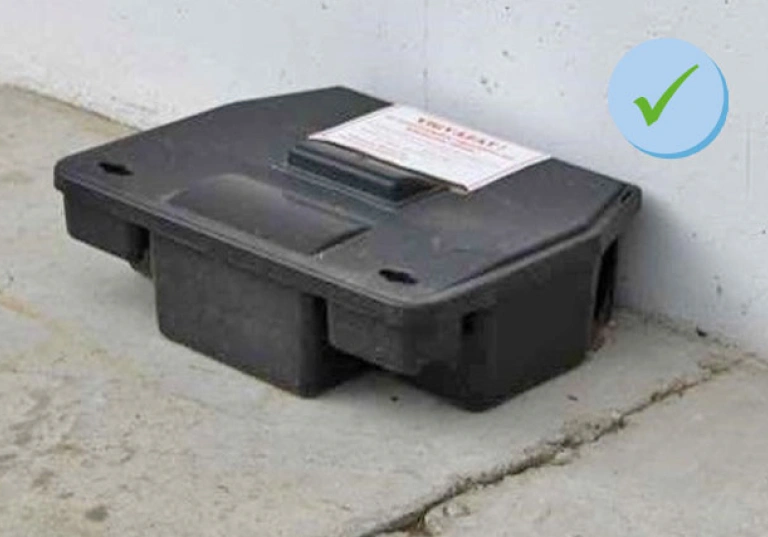
- Install bait stations.
- Have an active Rodent Control Program.
Birds
Staff Training
Feed and water
Feed
Water
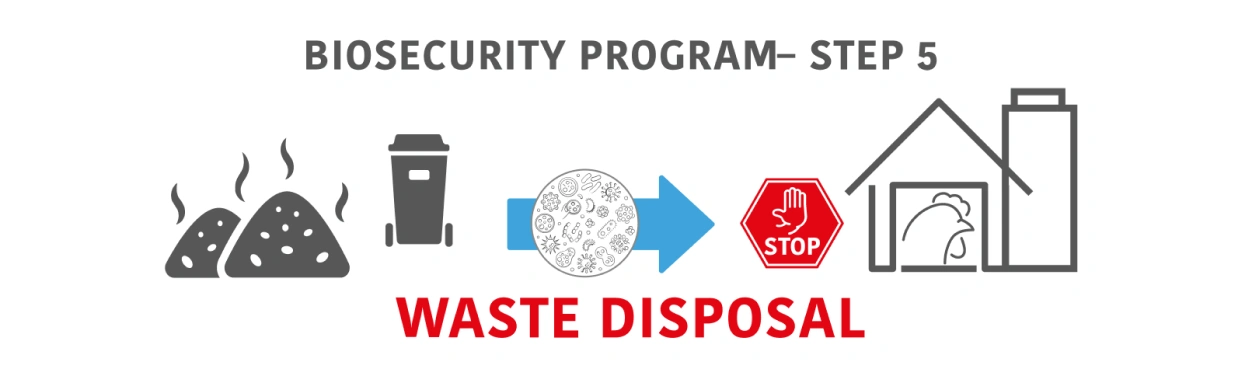
Waste disposal
Manure
Dead birds
Dead birds should be removed from houses on a daily basis and stored away from the poultry houses. Different methods are available to destroy dead birds hygienically. If dead birds are moved from the farm, take extreme care during transport:
- Never permit transport of dead birds to enter the farm.
- Only permit dead birds to be collected outside the farm.
- Never have personal contact with people handling dead birds.
Cleaning & Disinfection protocol
If a severe infestation of mites or other parasites has occurred, take extra precautionary measures to eliminate or exclude the presence of pests.
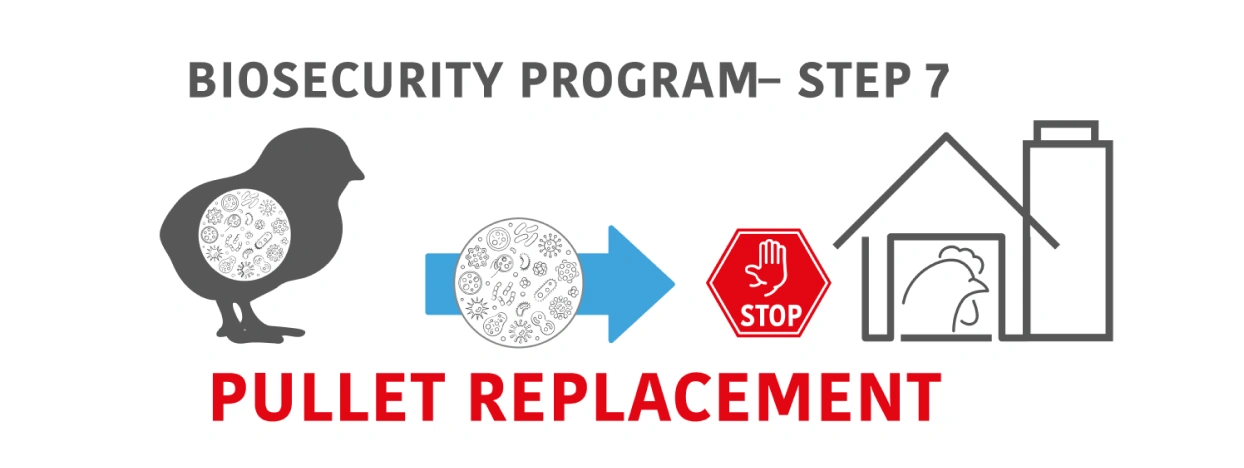
Pullet replacement
In order to achieve this, the breeder flock should remain disease-free. Sampling and analysis should be encouraged to check that one-day-old chicks are not contaminated.
H&N grandparent stock are free of lymphoid leukosis, Mycoplasma gallisepticum, Mycoplasma synoviae, Salmonella pullorum, Salmonella gallinarum, Salmonella enteritidis, Salmonella typhimurium and other Salmonella species.
Take into account that transport crates, trucks and other equipment can be infected with pathogens or infested with parasites. Previous cleaning and disinfection of all of them is strongly recommended.
Vaccination programs
Specific recommendations for individual farms are not possible, but the sample vaccination program is intended as a very general guideline for vaccinations needed on most farms worldwide.
Additional vaccinations for coccidiosis, Escherichia coli, Avian Influenza and variant strains of other disease-causing agents may also be needed. These decisions must be made on a farm-by-farm basis after careful consideration of previous exposure, geographic location, vaccination and exposure of neighboring flocks, state regulations and endemic disease-causing factors.
Ask your local veterinarian for an adapted vaccine program.
Administering vaccines in practice
Administering vaccines in practice is just as important as the vaccine program design. All this involves is simply following a procedure that is clearly defined by the vaccine manufacturer. However, mistakes are still often made.
To avoid errors, check and audit these procedures regularly. Proper vaccination is essential for a good health status.
1) Transport and storage
- Only accept vaccine in good condition.
- Preserve the cold chain at all times.
- Never freeze vaccine.
- Never expose to sunlight.
- Store vaccine correctly and check it regularly
2) Reconstitution
- Follow manufacturer’s instructions carefully when administering.
- Avoid contact with disinfectants during the reconstitution process.
- Use the vaccine immediately after.
3) Administering
- Use the appropriate technique to administer each vaccine.
- Vaccinate only healthy chickens.
- Do not dilute or “cut” the vaccine
- Avoid contact with disinfectant when administering vaccine.
- Avoid using medication and antibiotics for three days preceding and one week after live bacteria vaccination.
Mass administration
Drinking water
- Most common vaccination technique.
- Assure the absence of chlorine or other disinfectant in the drinking water
- A previous water privation can assure that all birds are thirsty.
- Use dye in the drinking water for monitoring water consumption
- Assure that water is consumed within 2 hours.
Spray
- Used for respiratory disease vaccination.
- Assure the absence of chlorine or other disinfectant in the sprayed water
- Droplet size plays a key role in the vaccine reactions and immune response
- Distribute vaccine homogeneously among the birds.
- Avoid drafts during the vaccine administration.
Individual administration
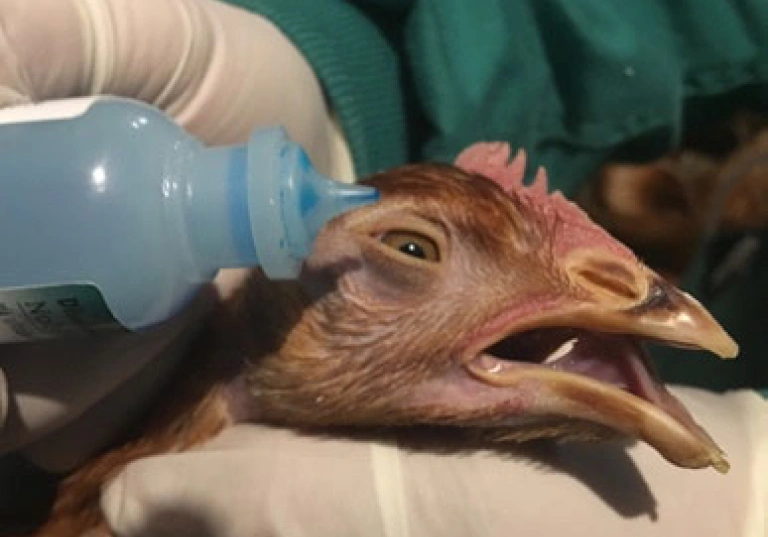
Eye drop
- Used for respiratory disease vaccination.
- Use dye in order to assess the efficiency of instillation.
- Trained and committed crew and a well organised program of work is essential.
- Ensure all chick’s are vaccinated.
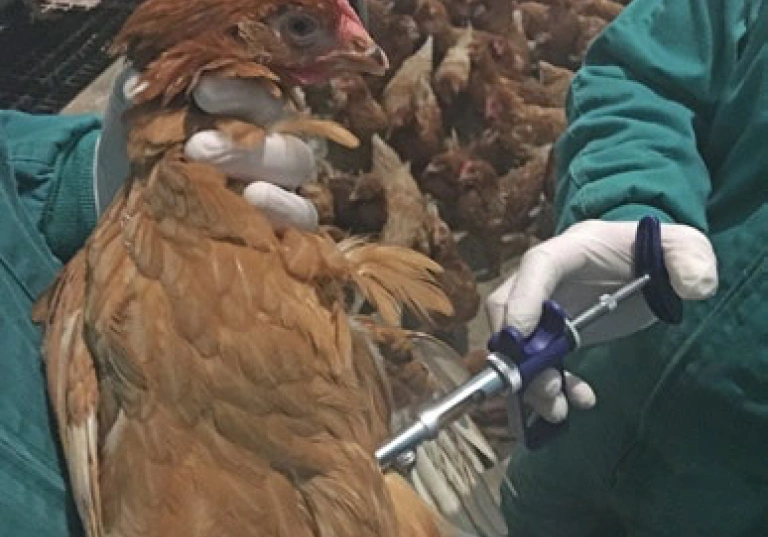
Injection
- Used for inactivated vaccines and certain live vaccines.
- Injection can be subcutaneous or intramuscular depending on the vaccine.
- Equipment should be correctly maintained.
- Trained and committed crew along with a well organised program of work is essential.
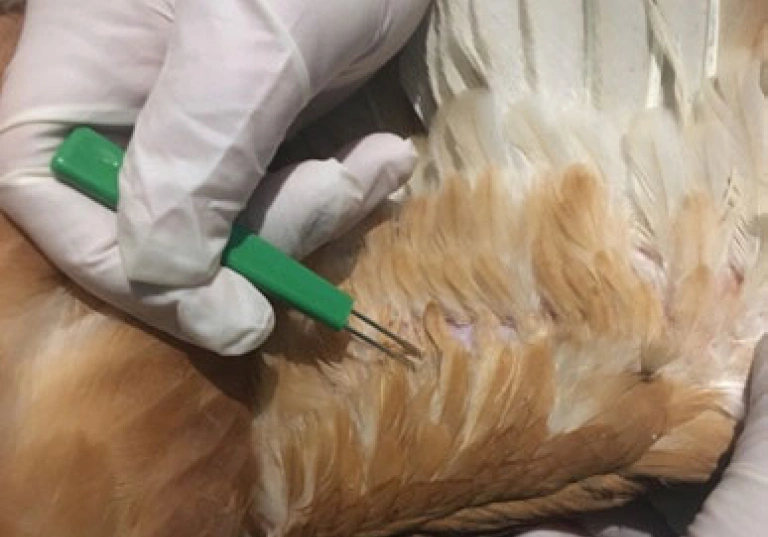
Wing inoculation
- Used mostly for Pox vaccination.
- Assure that needle is in contact with the vaccine before you inoculate every individual bird.
- Trained and committed crew and a well organised program of work is essential.
- Check vaccine reaction 7 days after administering it in the case of Pox vaccine. More than 90% of chicks should be positive.
Vaccine monitoring
Serological data obtained after the bulk of the vaccination program is completed, normally by 15 or 16 weeks of age, is a good method for evaluating the immune status of a flock of pullets prior to production.
Such data also serves as an immune status baseline for determining whether a field infection has occurred when production drops are observed.
It is recommended that the flock owner submits 25 good serum samples to a laboratory one or two weeks prior to the pullets being placed in the laying house to establish freedom from certain diseases such as Mycoplasma gallisepticum (Mg) and Mycoplasma synoviae (Ms) prior to onset of production.
Serological data can give valuable information on immune titer levels for a number of disease-causing agents. Working with a poultry laboratory to set up a profiling system will make better evaluations of vaccination programs and flock conditions possible.